
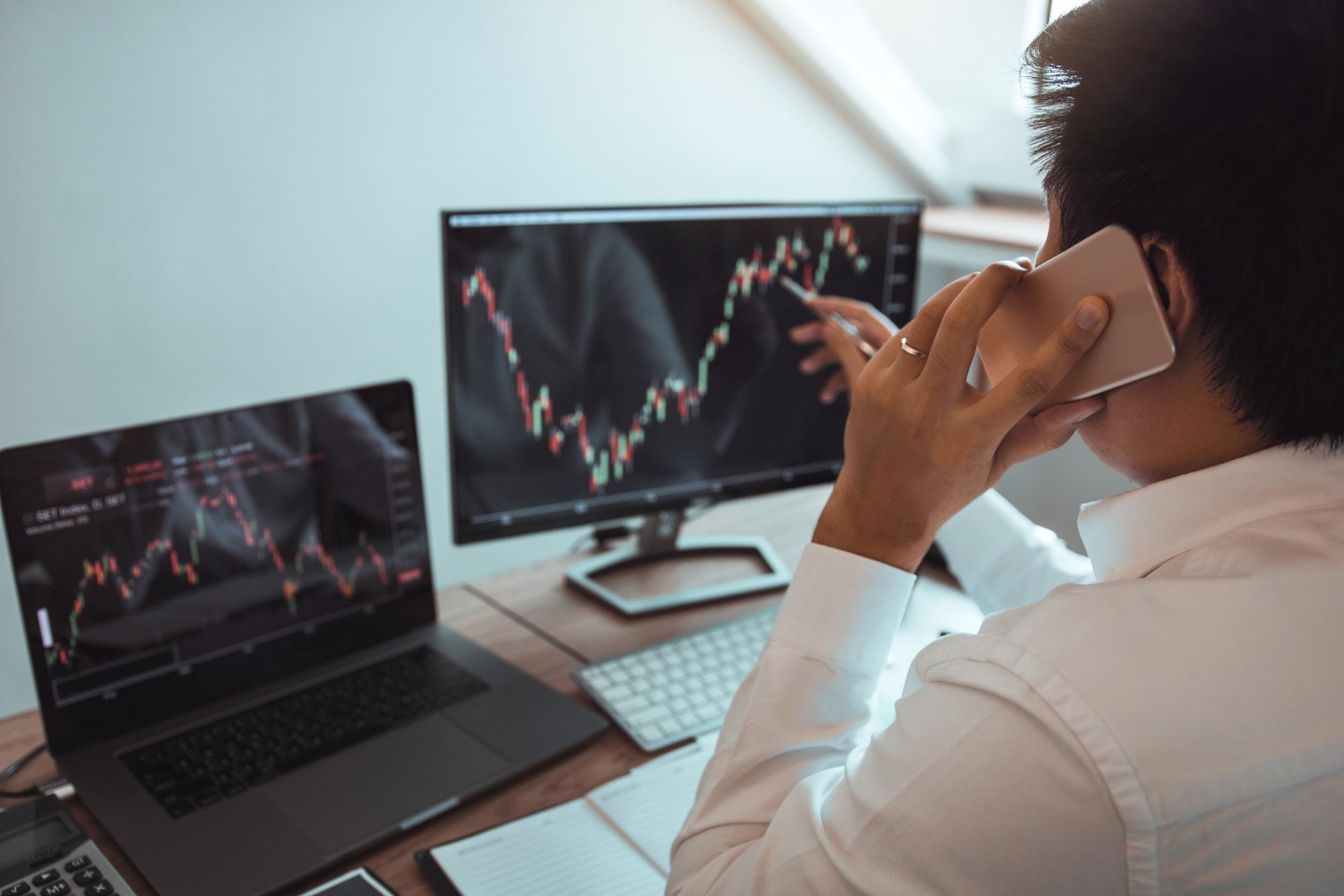

As Nigeria’s Forex market surges past $30 billion annually under SEC and CBN scrutiny, traders face a seismic shift. This article explores emerging trends-from AI-driven algorithms and blockchain integration to ESG trading, mobile compliance, and advanced risk controls. Discover how future regulations will reshape cross-border opportunities and bolster investor safeguards.
Current Nigerian Forex Regulatory Framework
Nigeria’s Forex market operates under dual oversight from the Central Bank of Nigeria (CBN) and Securities and Exchange Commission (SEC), enforcing strict licensing and compliance standards since the 2021 Circular on Forex Trading Platforms. The CBN manages monetary policy and exchange controls, setting official USD/NGN rates through the NAFEX window. Meanwhile, the SEC supervises retail brokers to protect investors from scams.
The CBN’s Circular 03/2021 banned binary options and unlicensed trading, aiming to curb fraud in retail Forex trading. Only 12 brokers hold SEC licenses as of Q3 2024, ensuring traders access regulated platforms. This framework balances Forex liquidity with capital controls amid naira devaluation pressures.
For practical trading, use licensed brokers like those approved by SEC Nigeria to avoid parallel market risks. Comply with AML and KYC rules by linking your BVN for account verification. This setup supports safe access to USD/NGN pairs and other currency pairs under Nigerian regulations.
Traders should monitor CBN bulletins for updates on Forex restrictions and official exchange rates. Retail Forex trading thrives within these bounds, with the SEC focusing on CFD trading Nigeria compliance.
SEC and CBN Oversight
The CBN controls Forex supply through the Investors & Exporters (I&E) window while SEC licenses CFD/Forex brokers under the 2013 SEC Rules. CBN sets USD/NGN bands, such as the 2023 range of 600-700, to stabilize the naira amid oil prices impact and foreign exchange scarcity. SEC enforces 500M capital requirements for brokers to ensure financial stability.
Both regulators mandate AML/KYC protocols, requiring BVN linkage for all retail accounts. This prevents money laundering in trading Forex in Nigeria. Traders benefit from investor protection through these strict measures.
| Regulator | Jurisdiction | Key Rules | 2024 Updates |
| CBN | Monetary policy, interbank market | NAFEX window, capital controls, I&E rates | USD/NGN band adjustments, eNaira integration |
| SEC Nigeria | Retail Forex brokers, CFD trading | 500M capital, 1:100 leverage caps, segregated accounts | Quarterly reporting enhancements, scam prevention |
Practical advice includes checking CBN guidelines before large trades to align with official rates. SEC oversight promotes regulatory compliance, reducing risks from black market Forex.
Licensing Requirements for Brokers
SEC Nigeria requires brokers to maintain 500 million minimum capital, obtain Category 2 or 3 licenses, and comply with 1:100 leverage caps as per 2024 guidelines. This ensures Forex brokers Nigeria can handle client funds securely. Examples of licensed brokers include XTB Nigeria and OctaFX.
Key requirements form a strict list for approval:
- 500M minimum capital for operational resilience
- 3-year audited accounts to prove financial health
- Local office in Lagos or Abuja for accessibility
- MT4/MT5 platform certification for reliable trading
- Segregated client accounts to protect trader funds
- Quarterly CBN reporting on transactions and liquidity
Traders should verify broker status on SEC lists to avoid unlicensed platforms. Use demo accounts on MT4 Nigeria setups to test compliance before live trading.
These rules support risk management with margin requirements and stop-loss orders. Focus on licensed brokers for safe access to leverage limits and currency pairs under Nigerian regulations.
Emerging Technological Trends
Nigeria’s Forex market sees rapid adoption of AI algorithms and blockchain integration. This growth comes from fintech hubs in Yaba and the Central Bank of Nigeria’s regulatory sandbox. Traders now use these tools for faster, more efficient USD/NGN pair trades under Nigerian regulations.
AI handles much high-frequency trading volume globally. Blockchain cuts cross-border settlement times sharply. Experts recommend licensed brokers with these features for regulatory compliance.
In Nigeria, the CBN sandbox tests AI trading bots safely. Fintech innovations help with anti-money laundering and Know Your Customer rules. Retail Forex traders benefit from mobile trading apps with built-in AI.
Future trends point to more algorithmic trading and digital currencies. Traders should focus on platforms compliant with SEC Nigeria guidelines. This ensures secure access to currency pairs amid naira volatility.
AI-Driven Trading Algorithms
AI platforms like MetaTrader’s Expert Advisors execute rapid trades using advanced models trained on historical data such as USD/NGN pairs. These tools suit high-frequency trading and scalping in Nigeria’s market. Licensed Forex brokers Nigeria integrate them for institutional and retail use.
Compare popular AI tools in the table below for practical selection.
| Platform | Price | Accuracy | Best for |
| TradeRiser AI | $99/mo | 78% win rate | scalping |
| TensorTrade | free, Python-based | N/A | institutional HFT |
| QuantConnect | $29/mo | N/A | backtesting 10yr data |
| MetaTrader MQL5 | $50 EA license | N/A | Nigeria MT4 compatible |
Test these on demo accounts first to match your risk management style. Use stop-loss orders and take-profit levels with AI signals. This approach fits CBN Forex restrictions and leverage limits.
Combine AI with technical analysis like moving averages or RSI indicators. Backtest strategies on MT5 for Naira devaluation scenarios. Stay compliant with SEC Nigeria for long-term trading success.
Blockchain and Crypto-Forex Integration
CBN’s eNaira enables instant USD/NGN blockchain trades with active wallets and strong monthly volume. This central bank digital currency supports cross-border payments under Nigerian regulations. Traders access it via licensed platforms for seamless Forex trading.
Key integrations include:
- eNaira-USDT pairs on local exchanges like Quidax for stable currency pairs.
- P2P Forex paths such as NGN to BTC to USD on platforms like Paxful.
- Stablecoin ramps through payment gateways like Flutterwave for remittances.
BFX Africa shows real-world use with large-scale blockchain payments. Focus on KYC compliance and AML checks with these tools. Pair them with economic indicators Nigeria like oil prices impact for better decisions.
Use blockchain for hedging against naira volatility and foreign exchange scarcity. Opt for eNaira in portfolio management to avoid parallel market rates. Ensure brokers follow CBN guidelines on digital currencies for investor protection.
Mobile and Digital Trading Platforms
The Securities and Exchange Commission in Nigeria mandates registration of mobile apps and strict KYC processes for Forex brokers. Traders rely on these platforms for access to currency pairs like USD/NGN amid naira volatility. Popular apps connect with local gateways like Paystack for seamless deposits.
95% of Nigerian retail Forex trades occur via mobile apps, led by MT4 and MT5 platforms. These tools offer demo accounts for practice and real-time charts for technical analysis. Users benefit from push notifications on economic indicators such as oil prices and inflation rates.
Future trends point to enhanced fintech innovations, including AI-driven alerts and blockchain for secure trades. Platforms now support copy trading features, allowing beginners to mirror licensed brokers. Risk management tools like stop-loss orders help navigate capital controls from the Central Bank of Nigeria.
Mobile trading enables retail investors in Lagos fintech hubs with access to regulatory sandboxes. Expect growth in USSD options for low-data areas, promoting financial literacy. Always verify SEC Nigeria approval before downloading.
Regulatory Compliance in Apps
SEC’s 2024 Mobile Trading Guidelines require biometric KYC, transaction limits, and integration with Paystack or Flutterwave for fund deposits. These rules ensure anti-money laundering measures protect users from scams. Apps must display leverage limits and margin requirements clearly.
Compliance involves key steps to meet Nigerian regulations. Here are the main requirements:
- BVN/NIN verification via secure API for instant identity checks.
- Mandatory 2FA to secure accounts against unauthorized access.
- Trade audit logs with 90-day retention for regulatory reviews.
- Adherence to CBN Forex allocation limits per user profile.
- Blacklisting integration through the CAC portal for suspicious activities.
Approved apps like XTB Mobile and HotForex Trader hold SEC registration. They offer features such as performance analytics and economic calendars tailored to Nigeria. Traders should enable all security settings for safe retail Forex trading.
Experts recommend regular app updates to stay aligned with future trends like digital currencies and CBDC integration. Use demo accounts to test compliance features. This approach builds discipline in trading amid naira devaluation risks.
Sustainable and ESG Forex Trading
Nigeria’s NGX launched ESG Forex indices in 2023, tracking oil-free currency pairs amid green bond issuances. These indices support sustainable trading under SEC Nigeria guidelines. Traders can now align Forex strategies with environmental goals while respecting Nigerian regulations.
ESG factors influence the USD/NGN pair through global shifts in energy markets. Retail Forex trading in Nigeria benefits from licensed brokers offering ESG-compliant pairs. This trend promotes regulatory compliance and long-term portfolio stability.
Institutional trading firms integrate ESG metrics to manage naira devaluation risks. Practical steps include selecting brokers with ESG reporting tools. Future trends point to more CBN-approved sustainable products in 2025.
Traders should monitor economic indicators Nigeria like oil prices impact for ESG opportunities. Use demo accounts on MT4 Nigeria to test strategies. This approach enhances risk management in volatile markets.
Key ESG Metrics and Benefits
Four key ESG metrics stand out in Nigerian Forex trading. They offer practical benefits for both retail and institutional traders. Focus on these to build compliant portfolios.
- Carbon credit trading via Afreximbank enables hedging environmental exposures in currency pairs.
- Oil price hedging counters OPEC+ cuts that affect Naira stability in the USD/NGN pair.
- Gender-diverse trading firms show improved performance, as research suggests better risk-adjusted returns.
- Renewable energy carry trades leverage yields from solar bonds for steady income streams.
Adopt these metrics by reviewing broker offerings for ESG integration. Combine with technical analysis like RSI indicator for entry points. This boosts Sharpe ratio through diversified exposure.
Case Study: Stanbic IBTC ESG Forex Fund
The Stanbic IBTC ESG Forex Fund exemplifies success in sustainable trading. It delivered strong returns in 2023 by focusing on green currency pairs. Nigerian investors used it to navigate Forex restrictions.
The fund employed hedging techniques against naira volatility tied to oil prices impact. Managers prioritized AML and KYC compliance with SEC Nigeria. Retail traders can replicate via copy trading platforms.
Key lessons include using stop-loss orders on ESG pairs and monitoring economic calendar Nigeria. This case highlights fintech innovations in mobile trading apps. Future outlook involves more such funds under regulatory sandbox.
Risk Management Innovations
Innovations like portfolio margining and volatility-adjusted stops are shaping risk management in Forex trading under Nigerian regulations. These tools help traders adapt to CBN leverage caps and market swings in pairs like USD/NGN. Experts recommend them for better control over drawdowns.
AI-driven risk tools now prevent large losses by monitoring positions in real time. Traders use them alongside stop-loss orders and take-profit levels to maintain discipline. This fits with SEC Nigeria guidelines on retail Forex trading.
Algorithmic trading integrates these innovations, automating adjustments based on volatility. For example, during naira devaluation events, systems pause high-risk trades. Licensed brokers in Nigeria offer such features on platforms like MT5.
Future trends point to machine learning trading enhancing these tools further. Combined with KYC and AML compliance, they promote safer trading environments. Retail traders benefit from reduced exposure to Forex restrictions.
Advanced Leverage Controls
SEC Nigeria’s tiered leverage, such as 1:100 for majors and 1:50 for minors, pairs with MT5’s News Trading Protection halting trades during CBN announcements. This setup ensures regulatory compliance while managing risks from economic indicators like inflation rates Nigeria.
To configure advanced controls, follow these steps for a setup that takes about 45 minutes.
- Configure MT5 ‘Maximum Order Volume’ to 0.1 lot per step, limiting exposure on volatile pairs like USD/NGN.
- Set ‘Equity Stop’ at 30% drawdown to protect capital during naira volatility.
- Enable ‘Volatility Protection’ that triggers stops when RSI exceeds 85, avoiding overbought traps.
- Link TradingView alerts to Telegram for instant notifications on policy changes or oil prices impact.
These controls align with CBN capital controls and help in hedging techniques like carry trades. Traders practicing on demo accounts refine them before live use. This approach supports trading psychology by enforcing discipline.
Cross-Border Trading Developments
CBN’s NAFEX window handles $2.1B monthly cross-border flows, 35% via fintech corridors like Flutterwave-Paystack USD rails. This setup supports remittance inflows and trade settlements under Nigerian regulations. Traders must comply with capital controls to access these channels legally.
Remittances reached $20B in 2024, making up 12% of GDP, while Bureau de Change turnover hit 8T. These figures highlight the role of cross-border payments in Forex liquidity. NAFEX window offers stability compared to parallel rates.
Forex traders in Nigeria often compare official exchange rates with parallel and crypto options for better entries. Use demo accounts on platforms like MT4 Nigeria to test USD/NGN pair strategies. Always verify licensed brokers via SEC Nigeria for regulatory compliance.
| Rate Type | Rate (/USD) | Key Features |
| Official NAFEX | 1500 | CBN-regulated, I&E window for investors |
| Parallel Market | 1650 | BDC dominant, higher volatility |
| Crypto P2P | 1600 | Binance-style, digital asset risks |
This table shows rate spreads that drive arbitrage opportunities in retail Forex trading. Monitor economic indicators Nigeria like oil prices for naira impacts. Implement risk management with stop-loss orders to handle volatility.
Investor Protection Enhancements
SEC Nigeria’s Forex Complaint Portal resolved 87% of 2,400 scam reports in 2023, recovering 1.2B for retail traders. This success highlights future trends in investor protection under Nigerian regulations. Regulators plan to expand such portals with AI-driven triage for faster resolutions.
The Central Bank of Nigeria and SEC Nigeria are pushing for stricter KYC and AML checks on Forex brokers Nigeria. Licensed brokers must now integrate real-time verification to curb fraud in retail Forex trading. Traders benefit from enhanced transparency in USD/NGN pair dealings.
A key case study involves Binance Nigeria’s 2B fine in 2024 for regulatory non-compliance. This enforcement deterred unlicensed P2P platforms and reinforced capital controls. Future rules may include mandatory escrow for cross-border payments and diaspora remittances.
To stay safe, follow these best practices amid evolving Forex restrictions:
- Verify SEC license on sec.gov.ng before depositing funds.
- Use demo accounts for a minimum of 30 days to test strategies.
- Check Myfxbook verified track records for signal providers.
- Report scams to EFCC within 48 hours with transaction evidence.
- Avoid brokers offering leverage over 1:30, as it violates leverage limits.
Future Regulatory Projections
CBN’s 2025 roadmap projects Forex liberalization, raising I&E window limits to $5B/month and approving stablecoin trading pairs. This shift aims to boost liquidity in the Forex market and attract more institutional trading. Traders should monitor updates from the Central Bank of Nigeria for compliance.
In Q1 2025, expect leverage limits to rise to 1:200 for licensed brokers. This change supports retail Forex trading while maintaining risk controls like margin requirements. Use demo accounts on platforms like MT4 Nigeria to test higher leverage strategies.
The KPMG Nigeria Fintech Outlook 2025 highlights further expansions. By Q2 2025, an algo trading sandbox will grow, enabling safer testing of AI in Forex and machine learning trading. Q3 brings eNaira Forex futures, integrating the central bank digital currency with USD/NGN pairs.
Looking to 2026, retail crypto-Forex pairs may launch under SEC Nigeria oversight. However, IMF warnings note that easing capital controls could increase Naira volatility. Focus on risk management tools like stop-loss orders and hedging techniques to navigate these trends.
Frequently Asked Questions
What are the key future trends in trading Forex under Nigerian regulations?
The future trends in trading Forex under Nigerian regulations include increased adoption of blockchain technology for transparent transactions, stricter oversight by the Securities and Exchange Commission (SEC) on unlicensed brokers, and the rise of mobile-first trading apps compliant with Central Bank of Nigeria (CBN) guidelines. These trends aim to enhance security and accessibility while curbing illegal operations.
How will regulatory changes shape future trends in trading Forex under Nigerian regulations?
Regulatory changes, such as potential CBN approvals for local Forex trading platforms and mandatory KYC/AML compliance, will drive future trends in trading Forex under Nigerian regulations by legitimizing the market, reducing reliance on offshore brokers, and fostering innovation in regulated digital wallets for fund transfers.
What role will technology play in future trends in trading Forex under Nigerian regulations?
Technology will dominate future trends in trading Forex under Nigerian regulations through AI-driven analytics for better risk management, algorithmic trading tools adapted to SEC rules, and integration of cryptocurrencies as hedges, all while ensuring compliance with Nigeria’s evolving fintech policies.
Are there opportunities for local brokers in future trends in trading Forex under Nigerian regulations?
Yes, future trends in trading Forex under Nigerian regulations open doors for local brokers via SEC licensing incentives, partnerships with international firms under strict guidelines, and development of Naira-denominated accounts to minimize Forex conversion risks amid CBN controls.
How might economic factors influence future trends in trading Forex under Nigerian regulations?
Economic factors like Naira volatility and inflation will propel future trends in trading Forex under Nigerian regulations toward hedging instruments, diversified portfolio mandates by regulators, and educational initiatives to enable retail traders within legal boundaries set by the CBN and SEC.
What should Nigerian traders prepare for in future trends in trading Forex under Nigerian regulations?
Nigerian traders should prepare for future trends in trading Forex under Nigerian regulations by staying updated on SEC blacklists, adopting regulated platforms with real-time compliance checks, and leveraging government-backed financial literacy programs to navigate the tightening regulatory landscape safely.